USA Enterprises ISB Enterprise Solutions That Drive American Business

USA Enterprises ISB

Enterprise Solutions That Drive American Business

Latest Articles

Where Approvals Go to Die: Auditing the Hidden Cost of Deferred Decisions in American Enterprise
Workforce Strategy

Where Approvals Go to Die: Auditing the Hidden Cost of Deferred Decisions in American Enterprise

Every week a decision waits, the cost compounds — in stalled projects, lost deals, and employees who learn to stop proposing. This piece examines how U.S. enterprises can measure decision latency, locate the chokepoints, and rebuild authority structures that keep momentum alive.


Victory as a Liability: The Hidden Cost of Winning Contracts That Should Have Been Declined
Workforce Strategy

Victory as a Liability: The Hidden Cost of Winning Contracts That Should Have Been Declined

Not every RFP victory is a business win. This piece explores why American enterprises keep pursuing — and winning — contracts that erode margins, overload delivery teams, and strain talent, and how a disciplined bid/no-bid framework can change that.

Written to Lose: The Quiet Arithmetic of RFP Pursuits That Were Over Before They Began
Enterprise Technology

Written to Lose: The Quiet Arithmetic of RFP Pursuits That Were Over Before They Began

American sales organizations routinely commit hundreds of hours to procurement responses with win rates in the single digits, often chasing contracts effectively awarded before submission. Recognizing the telltale signals of a predetermined outcome is now a core competency, not a nice-to-have. Here is how disciplined enterprises qualify out early and redeploy that effort where it compounds.

Licensed but Never Launched: The Quiet Cost of Enterprise Software That Never Meets Its Users
Enterprise Technology

Licensed but Never Launched: The Quiet Cost of Enterprise Software That Never Meets Its Users

Across corporate America, boardrooms approve six- and seven-figure software purchases that never reach the employees they were meant to serve. This analysis examines why shelfware happens, what it costs, and how U.S. enterprises can audit stalled deployments before the next renewal cycle locks in the losses.

Signed, Sealed, and Struggling: The Post-Close Integration Failures Quietly Destroying U.S. Enterprise Acquisitions
Workforce Strategy

Signed, Sealed, and Struggling: The Post-Close Integration Failures Quietly Destroying U.S. Enterprise Acquisitions

American enterprises invest billions annually in mergers and acquisitions, yet a striking majority of those deals begin unraveling within the first eighteen months after close. The culprits are rarely financial—they are operational, cultural, and structural, buried in the details that due diligence teams consistently overlook. This analysis examines the integration failure patterns most damaging to U.S. enterprises and offers a diagnostic framework executives can apply before the ink dries.

Leadership Vacuums Cost More Than You Think: Building Succession Pipelines Before the Crisis Arrives
Workforce Strategy

Leadership Vacuums Cost More Than You Think: Building Succession Pipelines Before the Crisis Arrives

When a senior leader exits without a succession plan in place, the organizational fallout extends far beyond the vacant seat. U.S. enterprises are routinely underestimating the operational, financial, and cultural damage of unplanned leadership transitions — and most are doing nothing to prevent the next one.

Predictable and Ignored: How U.S. Enterprises Keep Losing Their Most Valuable Quarter to Poor Seasonal Planning
Enterprise Technology

Predictable and Ignored: How U.S. Enterprises Keep Losing Their Most Valuable Quarter to Poor Seasonal Planning

Across American industries, seasonal demand cycles repeat with remarkable consistency year after year — yet most enterprises continue to treat them as operational surprises rather than strategic levers. The cost of this blind spot is measured not only in lost revenue, but in eroded margins, strained supplier relationships, and workforce disruptions that compound quarter over quarter. Data-driven planning frameworks are changing that equation for the enterprises willing to act before the season a

When the Platform Becomes the Problem: How Enterprise Tools Quietly Cap Organizational Growth
Enterprise Technology

When the Platform Becomes the Problem: How Enterprise Tools Quietly Cap Organizational Growth

The software platforms that carried a company through its early growth phase often become the very structures that prevent it from advancing further. For mid-market U.S. enterprises, recognizing the ceiling imposed by legacy tools—before it becomes a crisis—is one of the most consequential strategic challenges in modern business operations. This article examines how that ceiling forms, why it goes undetected, and what the transition ultimately costs.

Enterprise Technology

When Efficiency Lags Behind Revenue: The Operational Drain Quietly Eroding Enterprise Profit Margins

Revenue growth is often celebrated as the definitive measure of enterprise health — but for many U.S. companies, expanding top-line numbers are masking a deepening profitability crisis driven by compounding operational waste. This analysis examines how redundant processes, fragmented workflows, and manual handoffs silently consume margins faster than sales teams can recover them, and what enterprise leaders can do to diagnose and correct the imbalance.

Silent Budget Killers: How Forgotten Software Subscriptions Are Draining Enterprise Coffers Across America
Enterprise Technology

Silent Budget Killers: How Forgotten Software Subscriptions Are Draining Enterprise Coffers Across America

Across the U.S. enterprise landscape, a quiet financial hemorrhage is occurring — one invoice at a time. Redundant SaaS licenses, auto-renewing contracts, and shadow IT purchases are collectively consuming six-figure budget allocations that leadership rarely sees until it's too late. This article examines the operational blind spots enabling the problem and presents a structured framework for reclaiming that spending.

The Invisible Resignation: How Vague Career Paths Are Quietly Draining Your Enterprise's Top Talent
Workforce Strategy

The Invisible Resignation: How Vague Career Paths Are Quietly Draining Your Enterprise's Top Talent

The most damaging form of talent loss in U.S. enterprises rarely appears in turnover statistics. When high-performing employees can't see a clear path forward, they don't always leave — they disengage, and the cost is far greater than an empty desk. Understanding the structural conditions that produce this silent exodus is the first step toward reversing it.

When Guardrails Become Gridlock: How U.S. Enterprises Can Stop Letting Compliance Kill Their Competitive Momentum
Enterprise Technology

When Guardrails Become Gridlock: How U.S. Enterprises Can Stop Letting Compliance Kill Their Competitive Momentum

Compliance frameworks are essential to responsible enterprise operations, but for many U.S. mid-market companies, they have quietly evolved from protective mechanisms into organizational anchors. This article examines how regulation-heavy enterprises can restructure their compliance posture to protect what matters without sacrificing the agility that keeps them competitive in a rapidly shifting global market.

Compliance as a Cost Center: The Hidden Productivity Drain Eroding American Enterprise Performance
Enterprise Technology

Compliance as a Cost Center: The Hidden Productivity Drain Eroding American Enterprise Performance

U.S. enterprises are hemorrhaging productivity and capital through compliance inefficiencies they rarely measure and almost never anticipate. The gap between reactive governance and proactive regulatory strategy is wider — and more expensive — than most executive teams realize. This analysis examines where compliance debt accumulates, how auditors frame the conversation to their advantage, and what it takes to transform regulatory obligations into genuine organizational leverage.

The Access Accumulation Problem: Why U.S. Enterprises Are Sitting on a Permissions Time Bomb
Enterprise Technology

The Access Accumulation Problem: Why U.S. Enterprises Are Sitting on a Permissions Time Bomb

Across American enterprises, system access has expanded faster than the governance structures designed to manage it. The result is a sprawling, largely invisible network of permissions that creates compliance exposure, financial liability, and operational risk that most organizations only discover after something goes wrong.

Frozen in the Middle: How Misaligned Decision Authority Is Silently Stalling American Enterprise Execution
Workforce Strategy

Frozen in the Middle: How Misaligned Decision Authority Is Silently Stalling American Enterprise Execution

When the people closest to operational problems lack the authority to solve them, and the people who hold that authority lack the visibility to act, enterprises enter a costly state of institutional paralysis. This article examines how mismatched decision-making structures erode competitive advantage in U.S. mid-market and enterprise organizations—and what leaders can do to realign power with reality.

Contracted Into Complacency: How U.S. Enterprises Can Break Free from Costly Vendor Lock-In
Enterprise Technology

Contracted Into Complacency: How U.S. Enterprises Can Break Free from Costly Vendor Lock-In

Across American industry, enterprises are quietly hemorrhaging capital through vendor relationships that once seemed advantageous but have since become strategic liabilities. A disciplined audit of external dependencies — combined with a rigorous build-versus-buy framework — can restore operational control and redirect significant budget toward internal capability. This analysis examines where the trap is set, how organizations recognize it, and what decisive action looks like.

Fractured Intelligence: What Disconnected Data Systems Are Costing American Enterprises Right Now
Enterprise Technology

Fractured Intelligence: What Disconnected Data Systems Are Costing American Enterprises Right Now

Across U.S. enterprises, departments operate on incompatible data platforms that quietly erode executive decision-making capacity and competitive positioning. The financial consequences—from duplicated vendor spending to missed market windows—are far larger than most organizations acknowledge. This article offers a diagnostic lens for identifying when data fragmentation has crossed from an inconvenience into a structural liability.

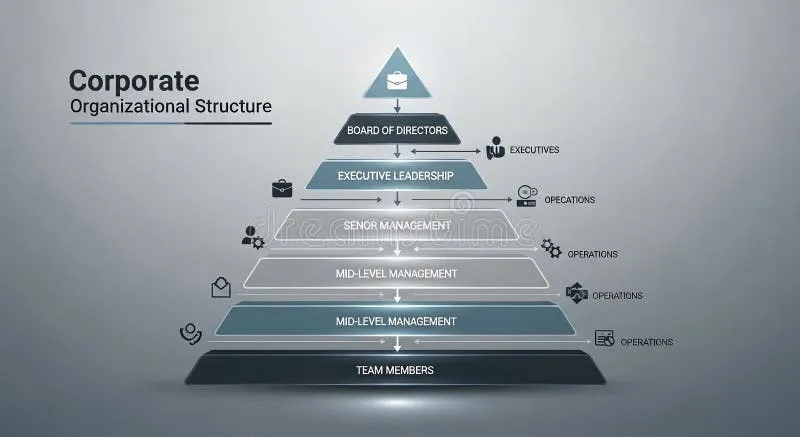
The Management Layer Problem: Why Mid-Market Enterprises Are Losing Ground to Their Own Org Charts
Workforce Strategy

The Management Layer Problem: Why Mid-Market Enterprises Are Losing Ground to Their Own Org Charts

For many mid-market U.S. enterprises, the greatest obstacle to growth isn't competition, capital, or market conditions — it's the management structure they built during a period of rapid expansion. A closer examination reveals how bloated middle management tiers create decision-making gridlock that quietly erodes productivity, morale, and market agility. This diagnostic framework helps enterprise leaders determine whether their organizational hierarchy is accelerating performance or quietly stra

Domestic Manufacturing's Hidden Price Tag: What U.S. Enterprises Discover After the Ribbon-Cutting
Enterprise Technology

Domestic Manufacturing's Hidden Price Tag: What U.S. Enterprises Discover After the Ribbon-Cutting

Reshoring production sounds like a straightforward win—fewer supply chain vulnerabilities, stronger brand positioning, and reduced exposure to foreign tariffs. But American enterprises that have moved operations back to U.S. soil are confronting a more complicated financial reality, one that spreadsheets rarely capture before the first shovel breaks ground. Understanding the true cost architecture of domestic manufacturing is now a strategic imperative for any enterprise considering the move.

When Expertise Becomes a Weapon: The Organizational Damage Caused by Knowledge Gatekeeping in U.S. Enterprises
Workforce Strategy

When Expertise Becomes a Weapon: The Organizational Damage Caused by Knowledge Gatekeeping in U.S. Enterprises

Across American enterprises, a pattern of individual self-preservation is quietly eroding organizational resilience—employees who have accumulated critical institutional knowledge are increasingly keeping it close, using information asymmetry as job security. The consequences of this behavior extend far beyond individual departments, creating systemic vulnerabilities that often go undetected until a key person resigns, retires, or becomes unavailable. Identifying and dismantling knowledge silos